
Sound And Vision In The Casino World
There’s something hypnotic about entering a casino, whether offline or online. The sound of spinning reels, coins jingling, and sudden applause from another lucky player become the rhythm of expectation. In online gaming platforms, this sensory composition becomes even more deliberate. Each click, spin, and win animation is crafted to create a specific feeling. The identity of a gambling brand, or a slot itself, often depends on how these audio and visual layers coexist.
When browsing an online platform like Coolzino, you can almost sense how much effort goes into creating atmosphere. The games don’t just sit there in silence. Every sound effect, from the subtle hum behind the slot menu to the vibrant win jingles, acts as branding, recognition, and invitation. It’s not only about graphics or odds anymore, but about shaping a feeling that makes players come back for more.
The Evolution Of Digital Atmosphere
Online casinos have moved far beyond static symbols and monotonous click sounds. Decades ago, slot games were mechanical, relying on physical noise to attract attention. Now everything is digital, but the intent remains the same. The layering technique—mixing sound frequencies, ambient noise, and interface tones—has become essential to simulate that kinetic, bustling casino hall even when sitting on the couch at home.

Interestingly, the graphics have kept pace. Developers learned that players don’t just want clarity—they crave something radiant and immersive. Neon effects, animation sparks, rotating bonuses, and glowing win notifications tie into players’ natural reaction circuits. It feels real, even though it’s made of pixels and sound waves.
Layered Audio And Its Influence
Audio layering in casino design works almost psychologically. The gentle background hum gives a sense of continuity, while sharp, short notes deliver micro-rewards. Each element sits in a precise frequency range, designed not to clash. When combined, it builds anticipation and maintains focus. This is particularly evident in jackpot moments or bonus rounds. The sound changes tempo, gradually increasing before the payoff sound hits, creating tension and release.
To better understand how these auditory layers work, it helps to look at their structural purpose:
- Base Layer: The ambient background that sustains the mood and fills silence.
- Action Layer: Sounds triggered by user interaction, for example spins, clicks, or toggles.
- Reward Layer: High-frequency sounds that emphasize wins or unlocks.
Sometimes, game developers add what is known as a tooltip interaction—for instance, hover your mouse over the sound icon and you might see a small pop-up saying “Adjust Volume For Maximum Experience”. Details like that help merge visual design with interactivity in a clever, almost friendly way.
How Bright Visuals Create Memory
Visually, color saturation and motion are not random. In slot design, high contrast helps players track results quickly. Eye-catching symbols feel rewarding in themselves. Also, brightness impacts emotional tone: golden and red hues stimulate excitement, while blue tones generate trust or calmness. Casinos balance these schemes across sections—lobby menus, bonus banners, game previews—to guide emotional energy.
Let’s quickly compare characteristics of different visual strategies within casino platforms:
| Visual Approach | Effect On Player Mood | Common Usage |
| Bright Neon & Contrast | Creates Excitement | Slots, Bonuses |
| Warm Tones | Encourages Trust | Homepages, Promos |
| Minimalist Palettes | Maintains Focus | Payment Systems |
Patterns and shapes play roles too. Decoded subconsciously, spinning reels or changing grids deliver rhythm. It’s not only a game outcome but a pacing mechanism that sustains engagement minute after minute.
The Player’s Journey
Every player experiences a casino interface differently. Some explore through music cues; others rely on color and animation. The interesting part is that both cues drive similar responses—anticipation, patience, a pause before surprise. These sensations build the game’s memory inside one’s mind, later recognized even by a single tune or visual frame from a commercial or ad.
Developers think of this as brand reinforcement. The more uniquely layered and coordinated the audio-visual signature is, the faster players identify the brand. Sometimes, even without seeing the logo.
Technical And Emotional Interplay
Technology enables subtle dynamic audio, which changes based on player action. For example, after several spins with no win, some platforms gradually lower the intensity, giving room for emotional reset. Then, with the next small win, the audio rush returns stronger. This responsive system keeps the player emotionally synchronized with gameplay.
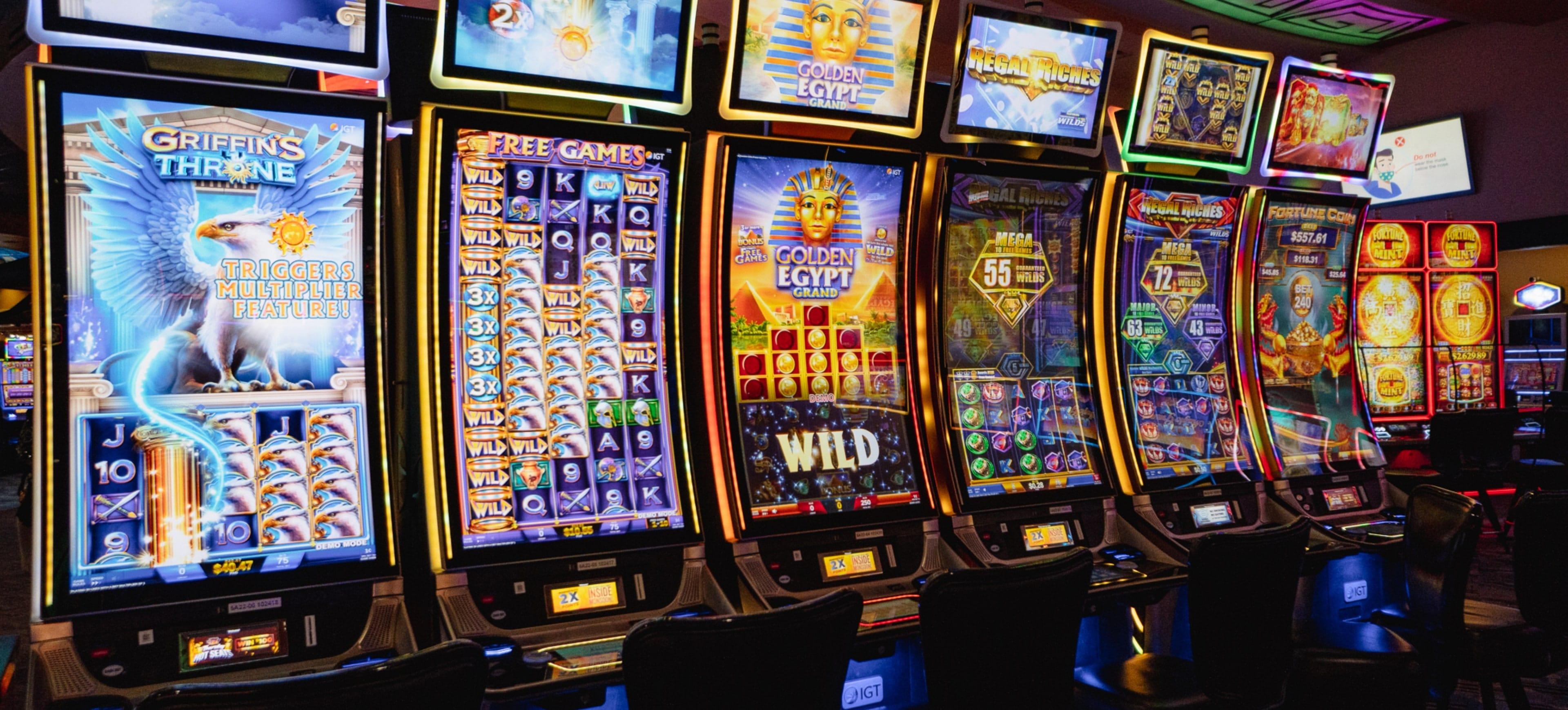
On the visual side, frame rates and transitions matter. A slight delay after a spin, followed by bright particle effects, allows the brain to process reward signals. Developers don’t talk about this openly much, but these microseconds define intensity. Too fast and you get overstimulation; too slow and engagement fades.
Integration Of Sounds And Imagery
It’s easy to separate sound and picture when analyzing, yet their harmony is what defines the platform personality. Casino designers spend weeks tuning the tone of a click sound to match the glow of the on-screen button. That’s because player recognition is multisensory. A game feels consistent only when visuals and sounds complement each other naturally.
Here’s a simplified structure of how integrated design unfolds during game development:
- Research user behavior—how players react to colors and tones.
- Design initial sound sketches synced to prototype animations.
- Test timing between actions, results, and feedback loops.
- Refine and retune until the sensory merge feels seamless.
Even small imperfections, such as a slightly misaligned transition or delayed audio cue, may add realism. In fact, some developers leave micro irregularities intentionally because humans interpret little inconsistencies as more lifelike.
Looking Toward The Future
As gaming technology evolves, so does sensorial storytelling. Future casinos may introduce adaptive soundtracks responding to biometric data—heart rate, maybe even pupil dilation. That may sound futuristic, yet it’s consistent with the historical progression from mechanical reels to VR rooms. What we call identity today might soon become emotional personalization, where every player hears and sees their own version of the same game.
- Customized soundtracks tuned to play speed.
- Dynamic lighting matching win streaks.
- Interactive visuals adapting to game emotions.
That’s both exciting and slightly unsettling. When everything becomes custom to your reaction, are you still playing freely or within the boundaries set by algorithms? Perhaps both, and that contradiction keeps modern casinos so interesting. Audio layers and bright visuals remain not just decor, but personality—living proof that the line between sensory pleasure, identity, and retention is blurrier than we thought.