
Table of Contents
Responsible Minds in Play – Psychology Shaping Safer Casinos
Casinos have always been more than flashing lights and the sound of spinning reels. Beneath the surface lies a growing conversation about responsibility and psychology. The best modern platforms are not just chasing excitement but aiming for emotional balance and ethical gaming. Whether it’s through better design, stronger self-control mechanisms, or transparency in communication, the spirit of play is transforming into something more mindful. Consider sites like https://wildpokiesplay.com, which showcase innovation in gambling while also acknowledging accountability. This dual focus is what defines the next stage of gambling evolution.
In truth, the word “casino” might once have triggered ideas of risk, glamour, even chaos. Today, it’s increasingly coupled with emotional intelligence. Psychologists working behind the scenes study not only how people win and lose but how they feel after doing so. That shift in perception — from profit to protection — is slowly becoming the hallmark of sustainable gambling spaces.
The Psychology Behind Safer Casinos
Casinos thrive on emotions. There’s anticipation, adrenaline, satisfaction, and sometimes regret. Psychologists note that the same brain chemistry guiding victory can also spark impulsive decisions. That’s why understanding human psychology becomes crucial in shaping safe gaming systems. Developers and operators now seek to design experiences that reward self-regulation rather than reckless play.
A practical example lies in the pacing of slot games. Too fast, and it becomes hypnotic; too slow, and it loses entertainment value. The middle ground is subtle, but it’s shaped intentionally to allow space for decision-making rather than automatic reactions.
Tools That Protect Players

Online casino platforms have been quick to adopt tools that help players stay in control. For instance, self-exclusion features and customizable deposit limits empower users to set their own boundaries. It’s interesting, though, how these mechanisms are rooted in behavioral psychology, gently nudging users to make proactive choices. Hover over this word for a hint about how they work: true.
- Self-awareness prompts: small pop-ups reminding players of their time spent or current balance.
- Deposit and wagering caps: gentle digital brakes that prevent overextension.
The message behind these features is not about restriction but respect for autonomy. They help players maintain control while the fun continues.
Designing a Healthier Casino Environment
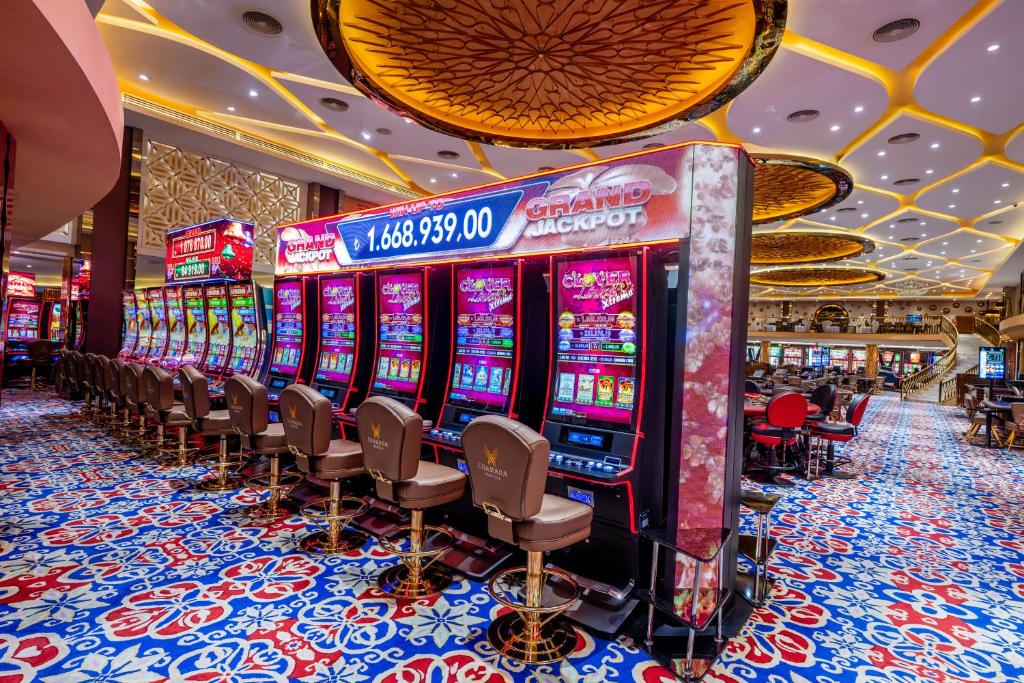
Even digital platforms have “environments.” The colors, animations, layout, and even sound levels influence how people behave. Psychologists working with developers recommend calming tones, fewer flashing alerts, and balanced feedback systems. It’s subtle but effective. So, instead of constant stimuli urging continued play, interfaces now breathe — offering space for pause.
This is not just theory; entire teams of UX designers collaborate with behavioral experts to create what some call “mindful interfaces.” These move the gambling world closer to being a responsibly driven entertainment sector rather than a purely luck-based system.
Technology and Behavioral Data
One might assume technology is only about AI-driven recommendations or flashy interfaces. But behind that, new behavioral analytics actually help spot risky patterns. For example, algorithms may detect when a player’s pacing changes abruptly, perhaps signaling frustration or impulsivity. Such systems can send subtle reminders, cooling-off offers, or even block risky activity automatically.
Here’s how psychology and data interconnect in modern casino operations:
| Feature | Psychological Goal | User Benefit |
|---|---|---|
| Behavioral Alerts | Interrupt automatic play | Encourages mindful choices |
| Time Trackers | Increase temporal awareness | Reduces gambling fatigue |
| AI Risk Detection | Identify impulsivity trends | Promotes early intervention |
This cooperation between technology and human insight makes a big difference. For many players, these subtle messages feel like a gentle friend tapping them on the shoulder, saying, “Hey, take a second.”
Community and Ethical Responsibility
Ethical gambling also thrives on shared conversation. Forums, helplines, and casino communities now act as support ecosystems rather than mere feedback channels. It’s not unusual for major online platforms to include mental health advice or links to external counseling services in their account menus — a small addition that carries profound impact.
- Partnering with mental health professionals to provide educational material.
- Encouraging peer-to-peer communication and mentorship within player communities.
Responsible gambling, in essence, extends beyond software and well into emotional design. The industry seems aware that real sustainability depends on how it treats its players not just during their wins, but also after they log out.
FAQ
Q: What does “responsible gaming” really mean in practice?
A: It’s about ensuring entertainment remains in balance. Casinos use psychological principles and support tools to help players control their behavior.
Q: Are safer casinos less exciting?
A: Not at all. In many cases, safety tools actually improve enjoyment, because players engage with a clearer, more relaxed state of mind.
Q: Is it possible for AI to detect problem gambling early?
A: Increasingly yes. Machine learning can flag atypical behavior patterns, allowing casinos to remind or support users before serious issues arise.
Conclusion
In the end, safer casinos don’t mean duller casinos. They simply embody a smarter synergy between entertainment and emotional health. Psychology teaches operators to respect attention spans, moods, and boundaries. Technology turns that knowledge into real-time wellness support systems. Together they build something quite powerful — an environment where play is both thrilling and responsibly guided. Perhaps the future casino, both online and in person, will not just be a place of odds, but of awareness too.