
The Importance of Play in Development and Learning
Play is an essential component of human life, especially during childhood. It is during play that children learn various skills, from problem-solving to cooperation and communication. Studies have shown that play not only enhances physical development but also contributes significantly to cognitive and emotional growth. The role of play in shaping a child’s future cannot be overstated, making it a crucial area of focus for parents, educators, and researchers alike. For instance, recent innovations in digital play activities, such as the play Chicken Road demo, demonstrate how interactive experiences can engage children and promote learning through fun.
Types of Play
Play comes in various forms, each contributing to different areas of development. Some common types include:

- Physical Play: Activities such as running, climbing, and jumping that enhance motor skills and physical health.
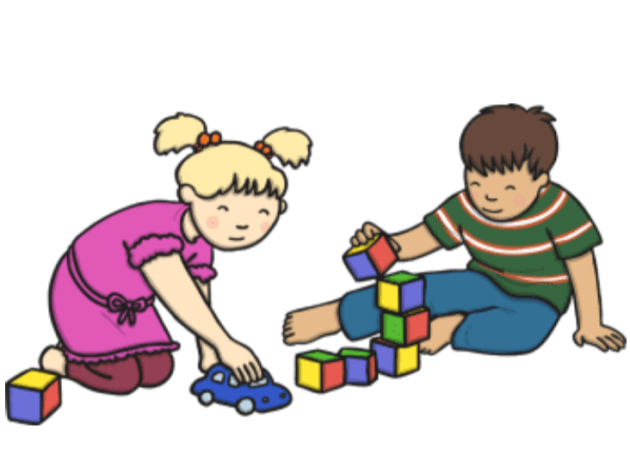
- Constructive Play: This involves building or creating objects, promoting spatial awareness and problem-solving skills.
- Dramatic Play: By engaging in role-play scenarios, children explore social roles and develop empathy and understanding of others.
- Game Play: These are structured activities with rules that help children learn to follow directions and develop strategic thinking.
Benefits of Play
The benefits of play extend far beyond mere enjoyment. Here are some key advantages of integrating play into both learning and daily activities:
1. Enhances Cognitive Abilities
Engagement in play is closely linked to cognitive development. Through play, children explore their environment and learn concepts such as cause and effect, numbers, and language. For instance, puzzles and games foster critical thinking and strategy, stimulating brain development and enhancing memory.
2. Promotes Emotional Well-Being
Play provides a safe space for children to express their feelings and learn coping mechanisms. Participating in arbitrary situations during play allows them to process emotions and gain confidence. Additionally, play helps reduce stress, acting as a natural mood enhancer.
3. Builds Social Skills
Through play, children learn valuable social skills such as negotiation, sharing, and cooperation. These skills are essential for developing friendships and functioning within a community. Group play often requires taking turns, resolving conflicts, and understanding different perspectives, which are critical components of social interaction.
4. Encourages Creativity
Play is a vital outlet for creativity. Whether through imaginative role-playing, arts and crafts, or building structures, children learn to think outside the box and express themselves uniquely. This type of creative freedom can lead to innovative thinking and the ability to problem-solve in various contexts.
Play in Educational Settings
Incorporating play into educational settings has become increasingly recognized as a pivotal technique for fostering a stimulating learning environment. Many educational frameworks now prioritize play-based learning as a method to engage students and promote holistic development. This approach encourages active participation and hands-on experiences, allowing children to learn through discovery and exploration.
1. Curriculum Integration
Educators are increasingly integrating play into their curricula. For instance, usin
g games to teach math concepts or storytelling for language arts can make learning enjoyable and effective. This method not only helps retain children’s interest but also enhances their understanding of complex topics.
2. Learning through Technology
The infusion of technology into play has also transformed educational landscapes. Digital games and simulations create interactive environments that can mirror real-world scenarios, offering students unique opportunities to practice skills and apply their knowledge in novel ways.
Challenges to Play in Modern Society
While the importance of play is evident, various challenges in modern society hinder children’s opportunities for play. These include:
- Over-scheduling: Many children today are involved in numerous extracurricular activities, leaving little time for unstructured play.
- Screen Time: The increase in screen time limits physical activity and traditional play. Digital play can be beneficial, but it should not replace real-world interactions.
- Safety Concerns: Parents and communities may restrict outdoor play due to safety concerns, limiting opportunities for physical and social interaction.
Conclusion
Play is an essential driving force behind childhood development and learning. It fosters creativity, social skills, emotional intelligence, and cognitive growth. As society evolves, it is crucial to champion the importance of play, advocating for balance in schedules, integrating play in education, and creating safe environments conducive to exploration and fun. Ultimately, prioritizing play is not just about improving childhood experiences; it’s an investment in nurturing well-rounded, capable individuals prepared for the complexities of adulthood.